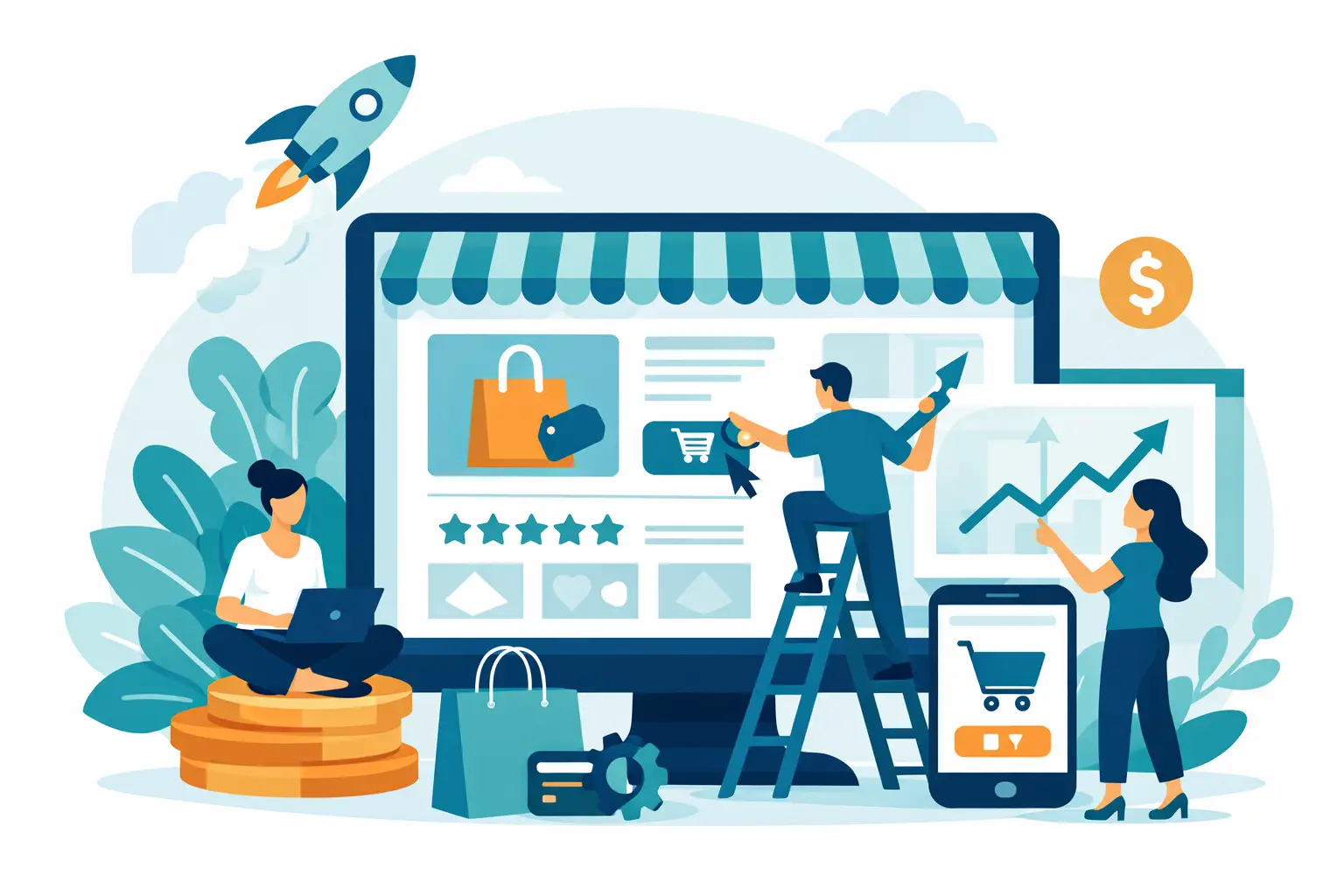
A website should not feel like another task on your already full schedule. It should become a home base for your vision – a place that works while you are with family, traveling, handling your day job, or making time for the life you want. Learning how to build an online business website is not about becoming a web designer. It is about creating a clear path for people to understand what you offer, trust your message, and take the next step.
For many aspiring business owners, the biggest mistake is waiting until everything looks perfect. A better first move is to build a focused website around one simple question: what change can you help someone make?
Start With the Business, Not the Website
Before choosing colors, fonts, or a website platform, get clear on the purpose of your online business. Your website cannot do the thinking for you. It can only amplify a message that is already clear.
Ask yourself who you want to serve and what they want more of. They may want more time, a flexible income option, confidence, better health, help growing a business, or a way to move beyond the limits of a fixed-location job. Then define the offer that helps them move closer to that result.
Your offer does not need to be complicated. It might be a product, a service, a coaching program, a digital resource, a membership, or an introduction to a business system. What matters is that visitors can understand it quickly. If someone lands on your site and has to guess what you do, they are likely to leave.
A useful starting statement is: “I help [specific person] achieve [specific outcome] through [your approach].” That statement can guide nearly every page you build.
Choose a Simple Website Setup You Can Maintain
You do not need to spend months or thousands of dollars building your first site. The right setup depends on your business model, your budget, and how much control you want. A beginner may prefer an all-in-one website builder with templates and built-in tools. Someone selling many products may need an ecommerce-focused platform. A service-based business may only need a clean site with an inquiry form and booking option.
Choose a custom domain that is easy to say, spell, and remember. Ideally, it reflects your name, your business name, or the transformation you help create. Avoid long phrases, unusual spellings, and extra hyphens that make it harder for people to find you later.
The platform matters less than consistency. Pick a tool you can update without waiting for a developer every time you want to change a headline, add a testimonial, or announce a new offer. Your business will evolve, and your website should be able to evolve with it.
How to Build an Online Business Website Around One Clear Action
A website that tries to do everything often gets visitors to do nothing. Your primary goal should be obvious on every important page.
For example, you may want visitors to schedule a call, request more information, join a no-cost information session, purchase a starter product, or subscribe for useful updates. Pick the action that makes the most sense for someone who is just getting to know you.
Then repeat that action naturally throughout the site. Your call to action should be direct and encouraging: “Get the details,” “Reserve your spot,” “Start here,” or “See how it works.” Vague buttons such as “Submit” or “Learn more” can work in limited situations, but they rarely create the same clarity as a benefit-focused next step.
Do not ask for too much too soon. If your visitor is new to your business, asking them to make a major purchase immediately may be a bigger leap than they are ready for. An email sign-up, short training, introductory session, or low-cost first offer can give them a comfortable way to begin.
Build the Pages People Actually Need
Your first website does not need twenty pages. It needs a few pages that answer real questions and remove hesitation.
Your home page should quickly explain who your business is for, what you help them do, and what they should do next. Lead with the result, not your biography. People are usually thinking about their own challenge first. Once they see that you understand it, they will want to know more about you.
Your about page is where you make the business human. Share why this work matters to you, what led you here, and the values behind your approach. You do not need an overly polished success story. Honest details about the desire for more freedom, time, flexibility, or ownership can be more powerful than trying to sound like a giant corporation.
Your offer page should explain what is included, who it is best for, how the process works, and what happens after someone says yes. Be specific without making promises you cannot control. You can describe support, tools, training, community, or guidance. You should not imply that income or lifestyle results happen automatically.
Finally, give visitors an easy way to contact you or opt in. Keep forms short. A name and email address are often enough for an introductory resource or information session. Every extra field creates more friction.
Write Copy That Speaks to Real Life
Your website copy should sound like a conversation with the person you most want to help. Skip generic claims such as “best solution” or “industry-leading results.” Instead, name the moments your audience recognizes.
Maybe they are tired of asking for vacation days. Maybe they want to be present for school drop-off, work from different locations, build something that belongs to them, or create an income source outside of their regular hours. Those are real motivations, and speaking to them directly helps the right people feel seen.
At the same time, keep your message grounded. Building an online business can create more options, but it still requires learning, consistency, and follow-through. Freedom is not created by a website alone. It is created through a useful offer, a trusted message, and the willingness to keep showing up.
Use short sections, clear headlines, and everyday language. A visitor should be able to scan your page on a phone and understand the main idea in seconds. If a sentence sounds like something you would never say out loud, rewrite it.
Earn Trust Before You Ask for Commitment
People are cautious online for good reason. Your website should make it easier for visitors to feel confident about taking the next step.
Use real photos when possible. Share authentic testimonials only with permission, and make sure they reflect genuine experiences rather than vague praise. Explain what happens after someone enters their email or books a call. A clear privacy statement and straightforward expectations show respect for people’s time and information.
Trust also comes from consistency. Your social profiles, emails, website, and conversations should all tell the same story. If your site promises a flexible path toward ownership but your emails sound pushy or confusing, people will notice the disconnect.
You do not need to look perfect to be credible. You need to be clear, honest, and helpful.
Make Your Website Work Beyond Business Hours
One of the greatest advantages of an online business website is that it can keep serving people when you are offline. But automation should support connection, not replace it completely.
Set up a welcome email for new subscribers that delivers what they requested and tells them what to expect next. Create a simple follow-up sequence that answers common questions, shares useful insight, and invites them to take the next logical action. This gives interested people room to make an informed decision instead of feeling pressured in a single visit.
Over time, your site can also help you learn. Pay attention to which pages visitors view, where they leave, which messages get responses, and what questions keep coming up. Those signals can show you where your message needs to become clearer.
Launch Before You Feel Ready
The website you launch first will not be the website you have a year from now. That is normal. The goal is not to publish a flawless digital brochure. The goal is to create a working business asset that starts conversations and gives your goals a place to grow.
Check that it looks good on a phone, that every button works, that your contact form reaches you, and that your offer is easy to understand. Then share it. Tell people what you are building. Invite them into the next step.
If you want a clearer picture of how an online business can fit around your life, a no-cost information session can be a smart place to start. The right guidance can help you move from scattered ideas to a focused plan.
Your website does not have to prove that you already have everything figured out. It only needs to give the right person a reason to believe that a more flexible future may be possible – and a clear way to begin.
Leave a Reply